
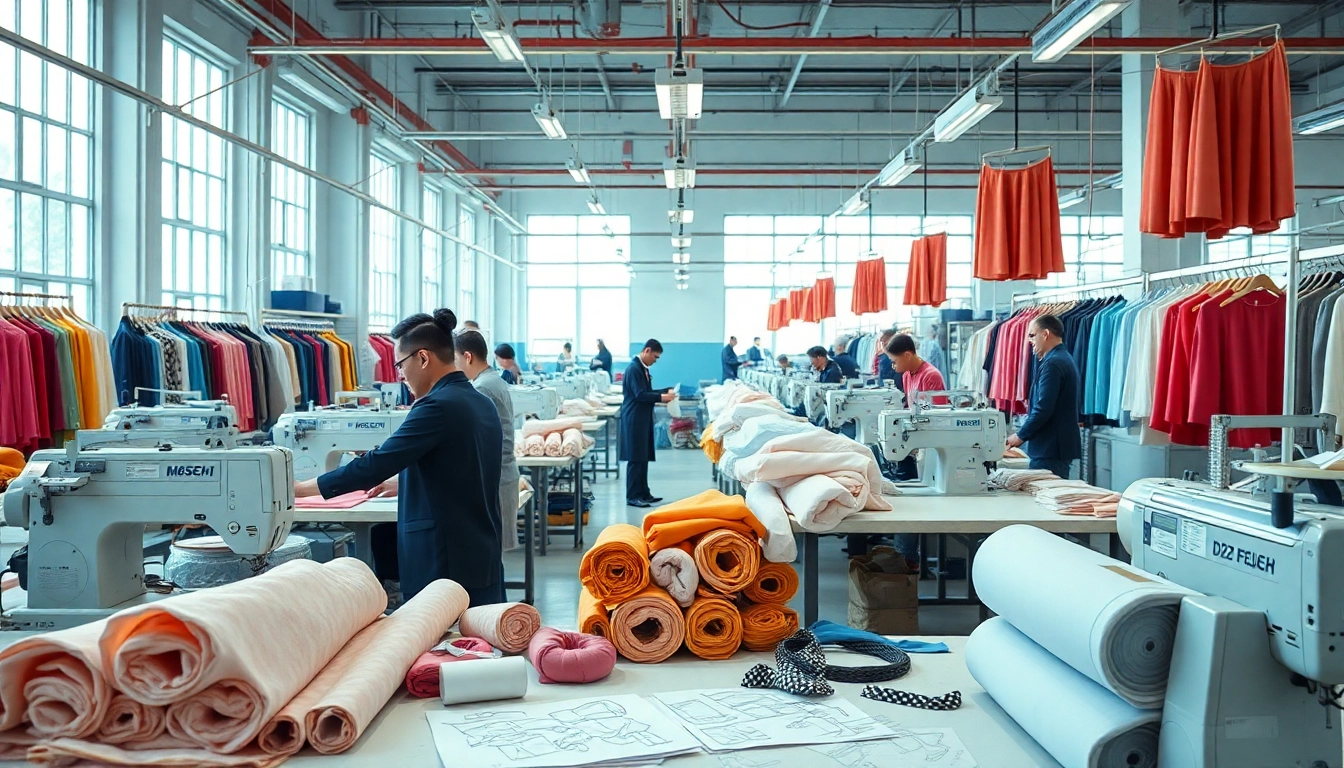
Understanding Clothing Manufacturers in Guangzhou
Guangzhou, the vibrant capital of Guangdong Province in China, is often hailed as a hub for the clothing manufacturing industry. With its extensive experience, advanced manufacturing capabilities, and a focus on innovation, the region hosts a myriad of companies specializing in textile production. For businesses seeking reliable sources, collaborating with Clothing Manufacturers in Guangzhou opens avenues to not only quality apparel but also to unique designs that resonate with market demands.
What Defines a Quality Manufacturer?
To discern a quality clothing manufacturer, one must evaluate several key attributes:
1. Experience and Specialization: Manufacturers with years of expertise in specific clothing types—be it sportswear, formal attire, or fast fashion—tend to produce superior results. Their knowledge of industry nuances can lead to better quality and innovation.
2. Certifications and Standards: A credible manufacturer often holds certifications like ISO 9001 which indicates adherence to quality management systems. Compliance with global sustainability and labor standards can also reflect a commitment to ethical practices.
3. Production Infrastructure: State-of-the-art machinery and technology play pivotal roles in ensuring efficient production. Quality manufacturers invest in the latest equipment to streamline operations and enhance quality control.
4. Skilled Workforce: The efficiency and creativity of the workforce can significantly influence product quality. A manufacturer that prioritizes training and retention of skilled labor typically delivers consistency in production.
5. Flexibility and Communication: Responsive manufacturers that are adaptable to design changes and have clear communication channels generally foster better collaboration with their clients.
Significance of Guangzhou in Clothing Production
Guangzhou’s geographical proximity to key ports facilitates rapid distribution, minimizing shipping times and costs. This accessibility, combined with the city’s robust supply chain networks, a plethora of textile resources, and a skilled workforce, makes it a globally competitive production center. Furthermore, Guangzhou’s dynamic business environment encourages innovations, pushing the boundaries of traditional manufacturing practices.
Moreover, the region is home to numerous textile markets, offering a wide range of fabric options in varying qualities and prices. This availability empowers manufacturers to meet diverse customer requirements swiftly. It is this unique blend of resources, talent, and strategic location that solidifies Guangzhou’s reputation as a cornerstone of clothing production.
Common Manufacturing Processes
Understanding the common manufacturing processes utilized by clothing manufacturers in Guangzhou is essential for anyone looking to partner with them. The key processes include:
1. Design: Initially, designers conceptualize garments, considering trends, market needs, and fabric capabilities. This phase often involves mock-ups and prototypes to visualize the product.
2. Sourcing Materials: Quality manufacturers maintain strong relationships with fabric suppliers to ensure access to the best materials available. This stage is critical as it influences the final garment quality directly.
3. Cutting: After sourcing, fabrics are meticulously cut according to patterns. Precision in this process ensures minimal wastage and accurate sizing.
4. Sewing: This core phase brings garments to life, where skilled workers sew pieces together with precision. Advanced machinery, such as flatbed and cylinder-bed sewing machines, are frequently employed to enhance efficiency.
5. Finishing: This step involves adding final touches like buttons, zippers, and labels. Quality control is paramount during this phase to catch any defects.
6. Packaging and Distribution: Once garments are finished, they are carefully packaged and prepared for shipping, incorporating labeling and documentation for customs clearance if needed.
Each of these processes requires attentive management and quality oversight to ensure that the final products meet client specifications and industry standards.
Choosing the Right Clothing Manufacturer
Partnering with a clothing manufacturer is a significant decision that can determine the success of a fashion line. Here are critical factors to consider when selecting a manufacturer.
Key Factors to Consider
1. Production Capacity: Assess whether the manufacturer can handle your required volume, especially during peak seasons. It’s important to select a manufacturer who can scale production to meet your demands without compromising quality.
2. Timeline and Lead Times: Understand typical production timelines and whether they align with your launch schedules. Manufacturers that work efficiently will help you meet tight deadlines.
3. Quality Control Processes: Investigate how the manufacturer ensures quality. Inquire about their inspection methods and their ability to manage defects.
4. Flexibility with Designs: If you plan to go beyond standard offerings, look for a manufacturer that is flexible with custom designs and has the capability to adapt to changing trends.
5. Communication: Effective communication is essential for a successful partnership. Ensure that potential manufacturers have clear processes for updates and inquiries.
6. Cost Structure: Evaluate pricing carefully—while lower costs are appealing, ensure they do not sacrifice quality. Compare quotes from several manufacturers, taking into account all associated fees.
Assessing Manufacturer Credibility
Credibility is paramount in the manufacturing realm. Here are ways to assess it:
1. Research and Reviews: Look for customer testimonials and case studies. Platforms like Alibaba often feature reviews that can provide insights into client satisfaction levels.
2. Past Work Samples: Request samples of previously made clothing lines to evaluate workmanship and fabric quality first-hand.
3. Factory Visits: If feasible, visiting the manufacturer’s facility can provide valuable insight into their processes, working conditions, and overall professionalism.
4. Certifications: Verify claims regarding industry certifications. Legitimate manufacturers will be proud of their credentials and should provide documentation upon request.
5. Third-party Audits: Hiring a third-party organization for an audit can provide an unbiased assessment of the manufacturer’s operations.
Evaluating Production Capabilities
Understanding a manufacturer’s production capabilities can significantly enhance your decision-making process. This encompasses:
1. Technology and Machinery: Inquire about the age and type of machinery used. Manufacturers that invest in modern technology often have enhanced efficiencies.
2. Workforce Skills: The skillset of the workforce can directly impact the quality of the final product. A reputable manufacturer will invest in continuous training for their employees.
3. Specialization: Some manufacturers specialize in certain types of clothing or techniques, such as high-performance fabrics or sustainable practices. Ensure their expertise aligns with your needs.
4. Supply Chain Management: A robust supply chain is essential for timely sourcing of materials. Evaluate how the manufacturer handles logistics and supplier relationships.
5. Testing and Compliance: Understand how they conduct product testing and ensure compliance with relevant laws and safety standards. This is critical for maintaining market competitiveness.
Benefits of Collaborating with Local Manufacturers
Choosing local manufacturers offers numerous advantages that can enhance your business model.
Cultural Insights in Design
Local manufacturers possess invaluable insight into regional fashion trends and cultural dynamics. Understanding local consumer preferences can be a game-changer for designs. These insights often lead to the creation of collections that resonate strongly with target audiences, providing a competitive edge.
Additionally, collaborating locally fosters relationships that facilitate real-time feedback during the design process, enabling adjustments to strategies as trends evolve.
Reduced Shipping Times and Costs
Localization significantly reduces shipping times, allowing for quicker turnaround from production to market. This speed becomes even more beneficial during peak seasons where timely availability can dictate market success. Furthermore, the reduction in shipping distances cuts logistics costs, translating into overall savings.
Local production also alleviates some of the complications tied to customs delays prevalent in international shipping. Hence, companies can enjoy smoother transactions and a more streamlined supply chain.
Access to Local Trends and Markets
By working closely with local manufacturers, businesses gain better access to emerging trends and the ability to tap into local markets effectively. Understanding what drives consumers in nearby regions, as well as their preferences in styles and fabrics, allows for tailored products that cater specifically to these demands.
This localized knowledge can lead to niche products that cater to specific markets, building a strong brand presence and loyalty.
Innovations in Clothing Manufacturing
The clothing manufacturing landscape is rapidly changing due to technological advancements and innovative practices. Here’s a closer look at specific innovations transforming the industry.
Technology Transforming the Industry
Cutting-edge technology is redefining how clothing is produced. Several technologies include:
1. 3D Printing: This innovation allows for rapid prototyping and customization of designs. Brands can quickly showcase ideas without the need for extensive sample runs.
2. Computer-Aided Design (CAD): CAD software streamlines the design process, enabling designers to visualize and modify designs efficiently before production.
3. Automated Cutting Machines: These machines enhance speed and precision in fabric cutting, drastically reducing material waste compared to manual methods.
4. Blockchain: Adopted for supply chain transparency, blockchain technology helps track materials from their source to the end product, ensuring ethical practices and authenticity.
5. Internet of Things (IoT): IoT devices allow manufacturers to monitor equipment performance in real-time, scheduling maintenance proactively to minimize downtime and enhance productivity.
Sustainable Practices in Manufacturing
As the global focus on sustainability escalates, manufacturers in Guangzhou are adopting eco-friendly practices. This encompasses:
1. Sourcing Sustainable Materials: The use of organic cotton, recycled fabrics, and low-impact dyes helps in reducing environmental impacts associated with garment production.
2. Energy Efficiency: Many manufacturers are transitioning towards energy-efficient machinery and sustainable energy sources, such as solar energy, reducing their carbon footprint.
3. Water Conservation: Innovations in dyeing and washing processes are designed to conserve water resources, a vital consideration within the textile industry.
4. Waste Management: Efficient waste management practices ensure that textile waste is minimized, and recyclables are properly processed, further enhancing a manufacturer’s sustainability credentials.
Future Trends to Watch
Keeping an eye on emerging trends in the clothing manufacturing sector is crucial for brands looking to remain competitive. Future trends to watch include:
1. Personalization: As consumer demand for personalized items increases, manufacturers are likely to adopt technologies that facilitate customization on a mass scale.
2. Digital Fashion: The rising popularity of virtual fashion and online runway shows is pushing brands to innovate their production processes to adapt to digital environments.
3. Circular Fashion: This concept encourages designs that can be reused, refurbished, or recycled, emphasizing longevity and sustainability within clothing lines.
4. Augmented Reality (AR): AR can revolutionize shopping experiences, allowing consumers to visualize clothes on themselves without physically trying them on.
5. Health-Tracking Fabrics: Innovations in smart textiles are expected to gain traction wherein fabrics can monitor health indicators, merging technology and fashion seamlessly.
FAQs About Clothing Manufacturers in Guangzhou
What is the average lead time for production?
Typical lead times range from 30 to 60 days, depending on order size and complexity.
How can I ensure quality control?
Implement regular inspections during production and establish quality benchmarks upfront.
What types of fabric are produced in Guangzhou?
Guangzhou manufactures a wide range of fabrics, including cotton, polyester, and blends.
What is the cost range for production?
Costs vary widely based on fabric and design complexity but can start as low as $5 per unit.
Can manufacturers handle custom designs?
Yes, many manufacturers in Guangzhou specialize in custom designs to meet specific client needs.