
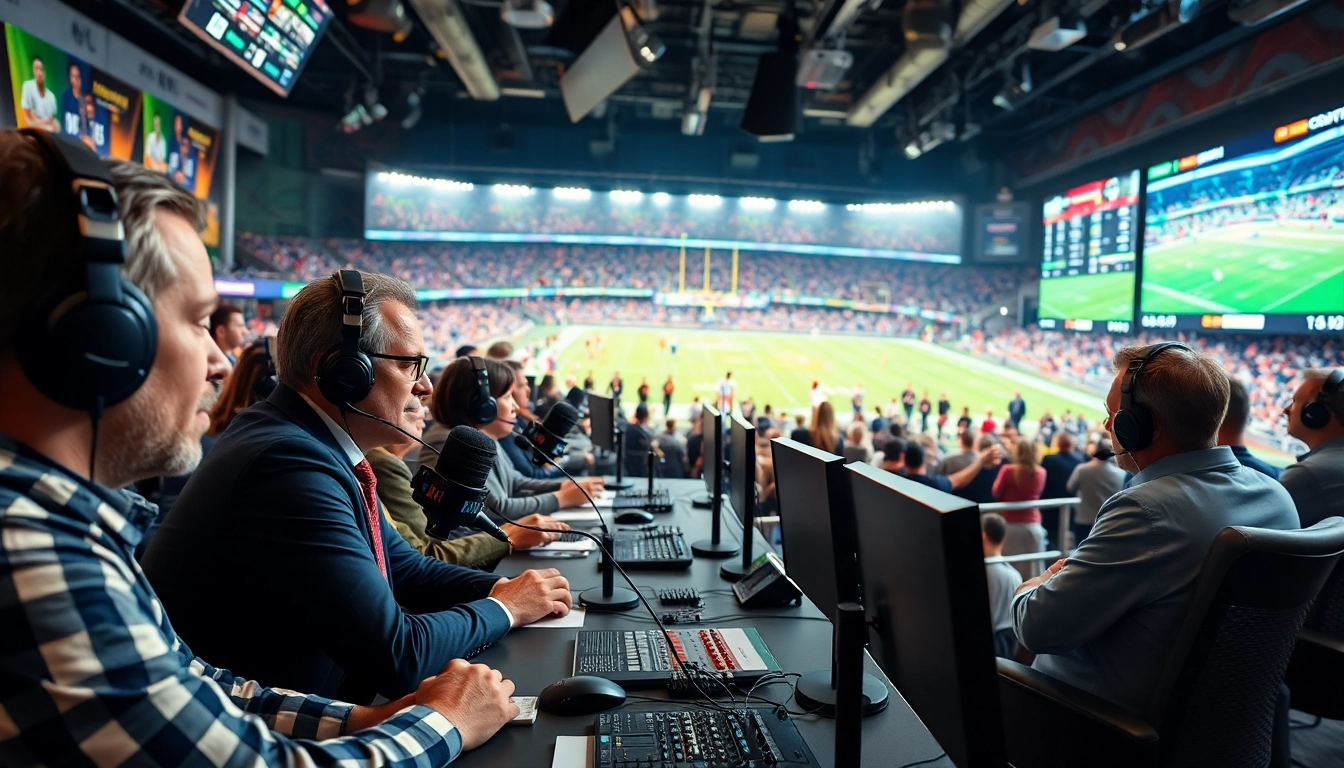
Understanding the Landscape of Sports Broadcasting
Sports broadcasting is a vital aspect of the sports industry, providing fans with access to live and recorded events, in-depth analysis, and expert commentary. Understanding the dynamics of this field is crucial for anyone wanting to navigate the multifaceted world of sports. Various elements, including historical context, key players, and technological advancements, play significant roles in shaping sports broadcasting. For further exploration of this topic, you can refer to Sports Broadcasting.
History and Evolution of Sports Broadcasting
The roots of sports broadcasting can be traced back to the early 20th century. The advent of radio allowed games to be broadcast to audiences far beyond the stadiums. In the 1930s, baseball became the first sport broadcast over radio, leading to a new era where fans could follow their favorite teams without being physically present. The invention of television dramatically revolutionized sports broadcasting in the 1950s, marking a shift from audio-only to visual entertainment. Major events like the Super Bowl and the World Series gained unprecedented audiences, paving the way for billion-dollar media rights deals.
Key Players and Stakeholders in Sports Broadcasting
The ecosystem of sports broadcasting consists of various key players. Broadcasters are essential, with major networks negotiating exclusive rights for live events. Sports leagues, teams, and athletes also have significant stakes, as they rely on broadcasting agreements for revenue generation. In addition, advertisers play a crucial role, as they seek to capitalize on the extensive reach sports broadcasts offer. The growing prominence of streaming services has introduced new stakeholders, challenging traditional roles and altering how content is consumed.
Impact of Technology on Sports Broadcasting
Advancements in technology have reshaped the sports broadcasting landscape significantly. High-definition (HD) and 4K broadcasts provide viewers with stunning visuals, enhancing their viewing experience. Technologies like instant replay and augmented reality graphics make broadcasts more interactive and informative. Additionally, internet streaming has enabled fans to access games from anywhere in the world on multiple devices, contributing to the shift towards on-demand content consumption.
Essential Components of Effective Sports Broadcasting
Understanding Audience Demographics for Sports Broadcasting
Knowing the audience demographics is imperative for effective sports broadcasting. Different segments of the audience, such as age, gender, and interests, influence programming choices and advertising strategies. For instance, younger audiences may favor interactive online content, while older demographics might prefer traditional television broadcasts. Understanding these nuances allows broadcasters to tailor their offerings, maximizing viewer engagement and satisfaction.
Top Skills Required for Sports Broadcasters
Successful sports broadcasters possess a variety of essential skills. Communication is foremost; the ability to convey information clearly and engagingly is vital. Knowledge of the sport, including understanding the rules, players, and strategies, enhances credibility. Broadcasting also requires adaptability; the unpredictable nature of live sports demands that broadcasters think on their feet and provide insightful commentary in real-time.
Creating Compelling Content in Sports Broadcasting
Content is at the heart of sports broadcasting. Compelling narratives, whether through highlight reels, interviews, or analyses, draw viewers in and keep them engaged. Incorporating behind-the-scenes footage and personal stories of athletes can foster a deeper emotional connection between the audience and the sport. Additionally, leveraging statistics and data analytics in commentary can provide added layers of insight that enhance the viewer's experience.
Innovative Techniques to Boost Engagement in Sports Broadcasting
Utilizing Social Media for Sports Broadcasting
Social media has transformed how sports broadcasting engages with fans. Platforms like Twitter, Instagram, and Facebook allow broadcasters to provide real-time updates, behind-the-scenes content, and foster community discussions. User-generated content also plays a significant role; fan interactions can be utilized to create a vibrant online ecosystem that enriches the viewer experience. Engaging with fans through polls or Q&As during broadcasts can further enhance interactivity.
Interactive Features and Viewer Participation
Interactive elements in sports broadcasts can significantly enhance viewer participation. Technologies such as live polls, quizzes, and feedback mechanisms enable viewers to connect actively with the content. Integrating real-time statistics and interactive graphics allows fans to engage with the game on a deeper level. Such features create a shared viewing experience that can foster community among fans, ultimately increasing loyalty to the broadcaster.
Case Studies of Successful Engagement Strategies
Several organizations have implemented successful engagement strategies that serve as models for others in the field. One notable example includes a major sports network that incorporated viewer polls during live events, resulting in a 25% increase in social media interactions compared to previous broadcasts. Another case involved a sports app that allowed fans to customize their viewing experience, choose camera angles, and engage in discussions during the game, leading to a higher engagement rate among younger audiences.
Performance Metrics and Analyzing Success in Sports Broadcasting
Key Performance Indicators for Sports Broadcasting
To evaluate the success of sports broadcasts, several key performance indicators (KPIs) should be monitored. Audience ratings, average view duration, and viewer engagement metrics such as likes, shares, and comments are essential for understanding audience behavior. Additionally, analyzing the demographic data of viewers can inform future strategies and programming decisions that enhance overall reach and engagement.
Leveraging Viewer Feedback for Improvement
Viewer feedback is an invaluable resource for improving sports broadcasting. Surveys and direct feedback mechanisms provide insights into what works and what does not resonate with audiences. Acting on viewer suggestions can lead to more personalized content, improving the likelihood of repeat viewership. Engaging directly with fans through social platforms or during broadcasts facilitates a two-way dialogue that can greatly enhance content strategies.
Tools for Data Analysis and Insights in Sports Broadcasting
Utilizing data analysis tools can provide rich insights into viewer behavior and preferences. Tools such as Google Analytics or social media analytics platforms can offer valuable data regarding audience engagement and demographics. Advanced sports analytics can reveal key insights about viewer habits, allowing broadcasters to tailor their content and delivery methods for maximum impact. By leveraging these insights, broadcasters can continuously evolve to meet audience expectations.
Future Trends in Sports Broadcasting
Emerging Technologies Impacting Sports Broadcasting
The future of sports broadcasting lies in harnessing emerging technologies. Innovations such as artificial intelligence (AI) for automated commentary, blockchain for secure content distribution, and immersive technologies for enhanced viewing experiences are set to revolutionize this field. These technologies not only improve efficiency but also provide viewers with richer, more engaging experiences that can drive audience loyalty.
Changing Consumer Behaviors in Sports Broadcasting
Consumer behavior in sports broadcasting is shifting rapidly. Viewers are increasingly seeking on-demand content, driving a move away from traditional cable subscriptions. The rise of mobile streaming emphasizes the need for adaptive broadcasting strategies. As younger audiences prioritize flexibility and interactivity, broadcasters must innovate to cater to these evolving preferences, ensuring they remain relevant in a competitive landscape.
The Role of Virtual Reality and Augmented Reality
Virtual reality (VR) and augmented reality (AR) are poised to redefine sports broadcasting. VR can create immersive experiences, allowing viewers to feel as though they are part of the action, while AR can enhance broadcasts with real-time statistics and graphics overlaid on the viewer's field of vision. This integration elevates the viewing experience, offering fans unique ways to engage with their favorite sports and events.
Frequently Asked Questions (FAQs)
What is sports broadcasting?
Sports broadcasting refers to the dissemination of sports events, commentary, and analysis to audiences via television, radio, and online platforms.
What are the key skills required for sports broadcasters?
Essential skills include strong communication, in-depth sports knowledge, adaptability, and the ability to engage audiences effectively.
How has technology impacted sports broadcasting?
Technology has enhanced the viewing experience through HD broadcasts, instant replays, and increased accessibility via streaming services on various devices.
What role does social media play in sports broadcasting?
Social media allows broadcasters to engage audiences, provide real-time updates, and foster community discussions around sports events.
What are key performance indicators for measuring success in sports broadcasting?
Key performance indicators include audience ratings, engagement metrics, demographic data, and viewer retention rates, all crucial for evaluating effectiveness.